



“Little teeth don’t stay little for long.”
Your child’s oral health develops over time, and the school years are a crucial phase where key dental milestones influence both function and confidence. This guide walks you through what to expect at each stage and how to approach decisions like braces for students and Invisalign for students.
1. Primary School Years (Ages 6–10): Laying the Foundations
Routine Dental Check-ups
Regular dental visits every 6 to 12 months help monitor the transition from baby teeth to permanent teeth, detect early cavities, and reinforce good oral hygiene habits.
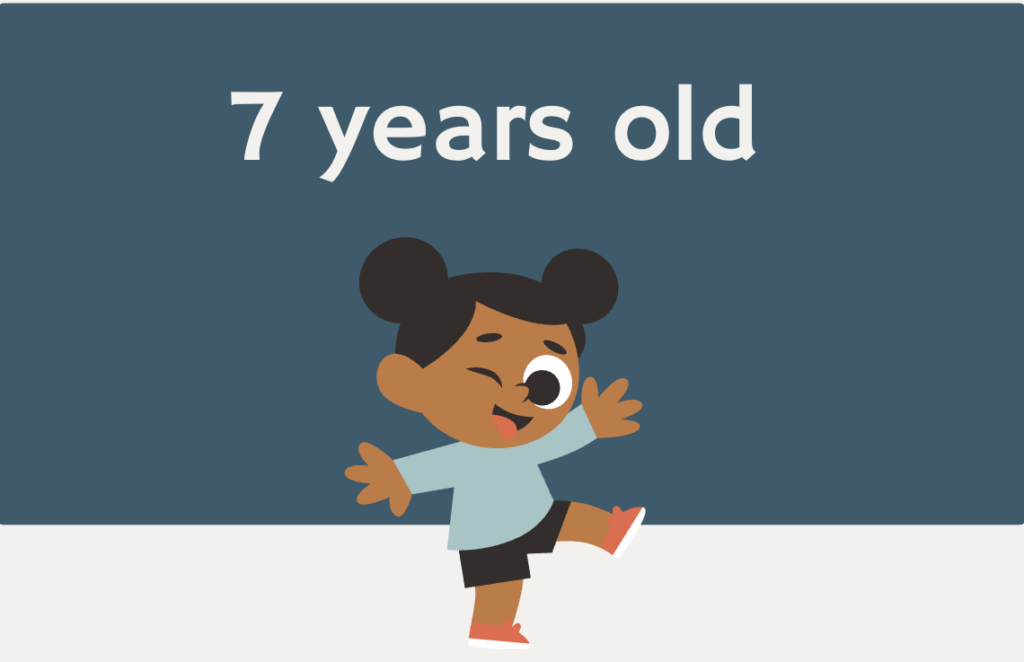
Early Orthodontic Screening (Around Age 7)
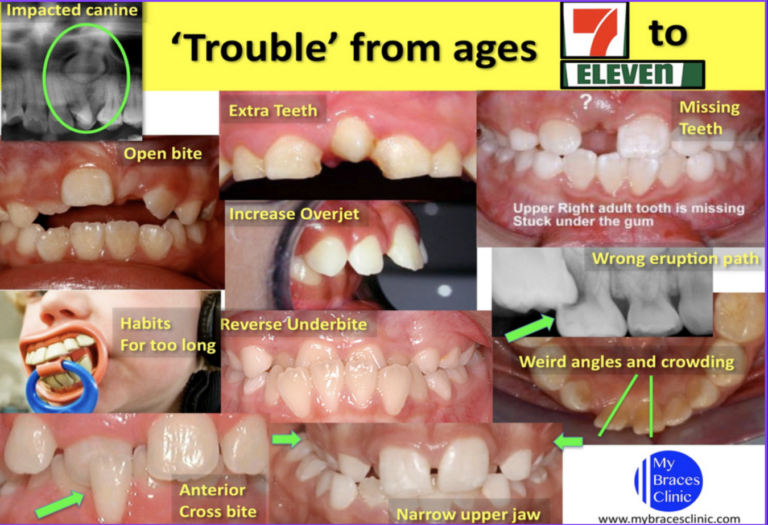
The American Association of Orthodontists (AAO) recommends a first orthodontic check-up at age 7.Early screening doesn’t always require immediate treatment but allows for early detection and proper monitoring.
Key areas assessed include:
- Skeletal pattern – Early signs of Class II or Class III patterns, or jaw discrepancies
- Incisor relationship – Bite problems such as deep bite, open bite, or crossbite
- Crowding or space loss – Ensuring enough space for permanent teeth and reducing the risk of ectopic eruption or impaction
- Oral habits – Thumb sucking, tongue thrusting, or mouth breathing
At MyBracesClinic, this forms part of ongoing orthodontic surveillance between ages 7 to 11. Some conditions, like impacted canines, are best assessed around ages 9–10. Early detection allows for timely, simpler interventions.
2.Pre-Teens to Teens (Ages 11–16): The Optimal Time for Braces and Invisalign
Traditional braces remain a reliable and precise solution for correcting crowding, spacing, bite issues, and more complex tooth movements.
Invisalign offers a removable, discreet alternative for teens who value aesthetics and can commit to consistent aligner wear.
Timing and Choice
While orthodontic treatment offers functional, aesthetic, and confidence benefits, it is not always compulsory and urgent.
Treatment should be a shared decision—considering your child’s readiness, motivation, and willingness to commit to appliances and long-term retainer use. If the concern is mainly aesthetic and your child is not ready, treatment can be deferred without affecting future results.
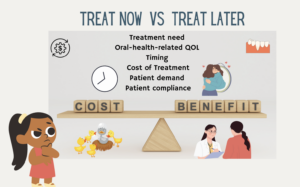
During your first consultation, our orthodontist will discuss pros and cons of starting now versus later, helping you plan the best approach.
3. Late Teens (Ages 16–20): Growth Completion and Surgical Considerations
For significant jaw discrepancies, corrective jaw (orthognathic) surgery or alternatives to jaw surgery treatments may be indicated, typically after jaw growth has stabilised.
Braces or Invisalign are coordinated around surgery to achieve optimal functional and aesthetic outcomes. Families often schedule treatment during long breaks, such as before university, to minimise disruption.
At MyBracesClinic, options include:
- Surgery-first
- Early surgery
- Conventional orthodontics-first
These options are discussed during your first consultation to plan the ideal timeline.
4. Young Adults (Ages 18+): Retention and Long-Term Oral Health
Retention After Braces or Invisalign
After orthodontic treatment, retainers are essential to maintain alignment long-term. Consistent retainer use ensures a lasting straight smile.
Preventive Care
As students enter university or the workforce, preventive care becomes a priority:
- Night guards or retainers for teeth grinding
- Sports mouthguards for active individuals
- Regular scaling and polishing
These steps help protect natural teeth and prior orthodontic work.
Building a Lifelong Smile
Student dental care focuses on supporting healthy growth, preventing potential issues, and laying the foundation for lifelong oral health.
With personalised guidance and well-timed care, every child can achieve a healthy, confident smile that lasts well into adulthood.
If you’re considering orthodontic treatment for your child, schedule a consultation with us——we’ll be happy to guide you through this journey